
Accessibility During MBTA Closures
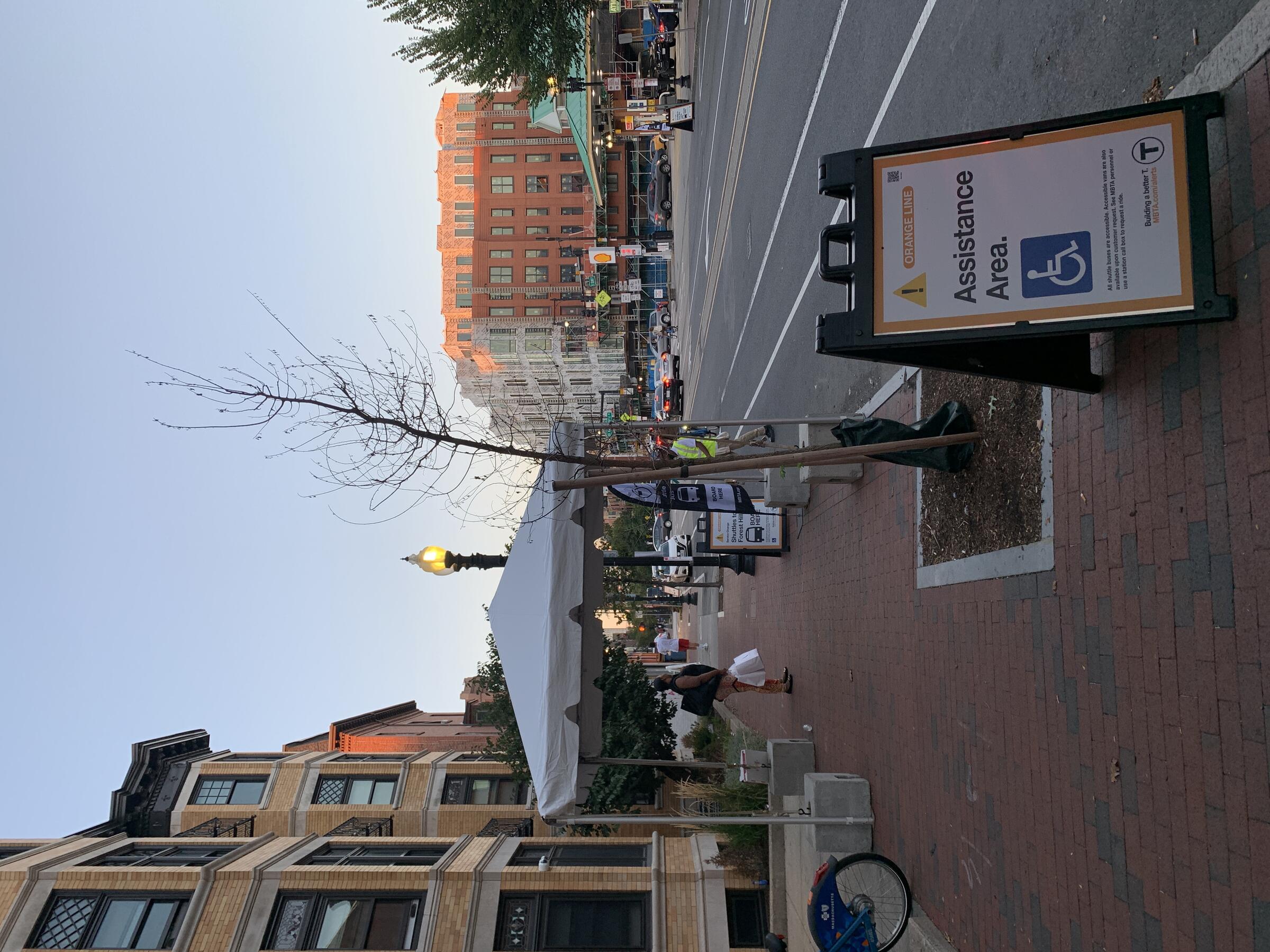
The City of Boston, in partnership with the MBTA, is committed to ensuring that accessible transportation is available to all riders, including when the MBTA subway system is partially closed for planned and unplanned maintenance.
-
Still have questions? Contact:
Transportation
-

-
 1 City Hall Square
Room 721Boston, MA 02201-2026
Disabilities Commission
-
1 City Hall Square
Room 967Boston, MA 02201-2041


Planned Closures
MBTA Closures: Planned vs Unplanned
The MBTA strives to provide replacement service (shuttle bus and/or nearby rail or local bus service) during planned service closures according to their Subway Diversion Service Standards guide. During an unplanned closure, however, the MBTA may not meet every subway diversion standard. Accessibility standards during planned subway closures, as outlined below and on the MBTA’s website, should be adhered to by all MBTA and contracted employees.

Accessibility during planned outages
- Replacement service: All replacement service vehicles are accessible and equipped with wheelchair accessible features.
- Replacement service will not terminate at an inaccessible station.
- The MBTA aims to always use low-floor, ramp-equipped buses when shuttle bus service is provided; however, when necessary, lift-equipped coach buses are used. Wheelchair securement equipment is available on all vehicles to ensure safe travel.
- Station access: At impacted stations, there will be a safe and accessible path between an accessible entrance and the replacement service.
- Alternative van service: In addition to the replacement service vehicles, supplemental, accessible vans may be provided. The MBTA considers adding these vans in various situations, such as when the pedestrian path of travel between the impacted station and replacement service is complex, when an affected station is not accessible, or when an insufficient number of low-floor buses is available. Accessible vans are not available during every closure
- To see if alternative van service is provided during a subway closure, please utilize the MBTA alerts webpage and select the subway line currently experiencing an outage or the subway line with upcoming planned work. This website, in addition to signing up for MBTA T Service Alerts, will provide the most up to date information regarding alternative accessible van service during subway outages.
- Any customer can request to use an accessible van. Customers cannot be required to use the alternative van service if they prefer to use the replacement service vehicles.
- To request an accessible van, customers should locate a MBTA Transit Ambassador (wearing a red shirt) or MBTA personnel (wearing a fluorescent yellow vest) and request a van.
- Unable to locate MBTA staff? Locate a Call Box at an existing MBTA station and press the ‘Info’ or ‘Information’ button to be connected to MBTA staff who can help.
Know Your Rights
-
Every customer has the right to accessibility features at MBTA stations and on MBTA vehicles. These may include (but are not limited to):
-
Elevators and escalators
-
Ramps, mobile bridgeplates and mobile lifts
-
High-level platforms
-
Accessible faregates
- Vehicle ramps or lifts
-
- Every customer has the right to request “reasonable” assistance. These may include (but are not limited to):
- Lowering the bus for boarding and exiting
- Deploying bus ramps, or lifts on coach shuttle buses
- Helping with fare payments
- Assistance with finding a seat
- Positioning the bus for easier boarding and exiting
- Securing wheelchairs with vehicle securement devices
- You do not need to disclose the nature of your disability. People with non-apparent disabilities are not obligated to share that information to use accessibility equipment or features of the system.
- Customers with disabilities are not required to use accessible vans when they are available
- If no priority seats are available, the shuttle bus operator can help you find another seat or call the dispatcher to find out when the next bus that can accommodate you will be arriving.
To find more information about MBTA accessibility policies, visit: www.mbta.com/accessibility/key-policies
Reporting Accessibility Issues
All MBTA and contracted employees who provide replacement service or play a support role during subway closures, including vehicle operators, station personnel and field staff, are trained on how to provide accessible service and assist older adults and people with disabilities when necessary.
-
How to file an accessibility complaint: When filing a complaint, please include as many details as possible. This includes, but is not limited to:
- Incident date & time
- Station name
- Stop location & stop location specifics (i.e., stop location is Andrew Station but specific location can be in the station or on the streetside of the station)
- Employee badge number
- Vehicle ID Number – this is located above the front door of the bus, typically on the outside of the vehicle.
- Any specific/identifiable vehicle branding on contracted shuttle buses (i.e., license plate, company name, etc.
- Where to file a non-compliance complaint: All transit-related accessibility complaints should be directed to the MBTA’s Customer Support team via the following channels:
- Customer Support website
- Customer Support Main Hotline: 617-222-3200
MBTA Accessibility Resources
MBTA Resources-
Still have questions? Contact:
Transportation
-
-
1 City Hall Square
Room 721Boston, MA 02201-2026
Disabilities Commission
-
1 City Hall Square
Room 967Boston, MA 02201-2041
