
Boston's Live Long and Well Agenda
Boston is a vibrant, diverse, and thriving city. But, it is also a city with persistent and troubling health inequities. Learn about Boston’s work to improve life expectancy and reduce racial and ethnic health disparities.
Data show that life expectancy varies sharply across communities and neighborhoods in Boston. These disparities are primarily due to social, economic, environmental, and structural factors.
In June 2020, the City of Boston declared racism a public health crisis. This declaration expresses our commitment to addressing the impact that racism has on the lives of all of our neighbors, and how it impacts the overall health of our residents.
Racism and other systems of oppression directly impact health outcomes and influence all social drivers of health. From addressing the social drivers of health to ensuring access to health care and social services resources, we're working with partners across Boston to improve life expectancy and reduce racial and ethnic disparities in our city. Boston Public Health Commission's Live Long and Well population health equity agenda is about our commitment to accomplishing this work.
-
-
Questions? Contact us:


Boston's Live Long and Well Agenda
Boston's Live Long and Well population health equity agenda aims to improve life expectancy and reduce racial and ethnic health disparities.
Our Live Long and Well Agenda shares our commitment to improving health outcomes across our city. In order to do this, we must focus on the leading causes of premature mortality in Boston, including:
- Cancers (including prostate, breast, colorectal, lung, and cervical)
-
Cardiometabolic diseases (including diabetes, heart disease, and other related disorders)
-
Unintentional drug overdoses
Our health equity agenda also includes commitments to promote health across all stages of life for our residents (including infant and maternal health, and older adult health), and to improve mental and behavioral health throughout.
Supporting Black Men's Health
Black Men's Health Request for Proposals (RFP)
The Live Long and Well: Reducing Life Expectancy Gaps for Black Men in Boston RFP is now open.
Please submit proposals and required supporting documents by Friday, October 30 at 5 p.m.
2026 Black Men's Health Activation Summit
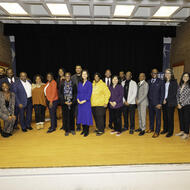
Mayor Michelle Wu, the City of Boston, and Boston Public Health Commission convened community leaders, public health experts, and advocates for the Black Men’s Health Activation Summit. As part of Boston’s Live Long and Well population health equity agenda, the Black Men’s Health Activation Summit represented a targeted effort to address inequities in life expectancy, chronic disease, and access to care.
Summit Resources
Partner with us
We are looking for more partners to join us in this work to improve life expectancy and health outcomes for our residents and build a healthier Boston.
Strategic Initiatives
Strategic InitiativesClick below to learn about our ongoing work to drug-related deaths from harm reduction and naloxone distribution to connections to addiction treatment, housing, and jobs.
We are expanding our work with City and external partners and Boston Public Health Commission programs to provide more support for those living with or most at risk for screenable cancers, including prostate, breast, colorectal, lung, and cervical cancer.
Cancer is one of the leading causes of premature death in Boston. Even though early detection and screening tests can help us to prevent and treat many cancers, screenable cancers still affect many Boston residents in different ways.
Click below to learn about our ongoing work to reduce deaths from cancer from public health awareness campaigns to resources for residents living with cancer as well as survivors.
We are expanding our work with City and external partners and Boston Public Health Commission programs to provide more support for those living with or most at risk for cardiometabolic diseases.
Cardiometabolic diseases, including diabetes, heart disease, and other related disorders, are leading causes of premature death in Boston. These conditions affect all Bostonians, but they disproportionately impact people of color.
Click below to learn about our ongoing work to reduce deaths from cardiometabolic disease from nutrition education and early childcare programs to policies making it easier for people to participate in active living across the city.
In order to ensure all residents can live long and healthy lives, we are committed to supporting the mental and behavioral health of residents throughout their lives.
Click below to learn more about our work to improve mental, emotional, and behavioral health, from the creation of a new office within Boston Public Health Commission to expand our work in this space to critical youth mental health programs that we run in close collaboration with Boston Public Schools.
We commit to supporting the health and quality of life for our residents through old age, in close partnership with the City’s Age Strong Commission. Boston is projected to have over 100,000 residents age 65 or older by 2030. We want to ensure that older residents have the resources and programs they need to address physical and mental health conditions.
Click below to learn about our ongoing work to improve health outcomes for older residents from our work to promote brain health to resources provided by City department partners.
Data and Reports
Life Expectancy in Boston
Our Health of Boston reports examine the city’s health trends. These reports show concerning disparities in premature mortality (death before the age 65) and life expectancy.
Life Expectancy Among Black Residents
This report summarizes key findings that describe health inequities experienced by Black residents in Boston.
Mayor's Live Long and Well Advisory Council
-
Dr. Bisola Ojikutu, Council Chair, Boston Public Health Commission
-
Anis H. Abdulle, Kind Home Healthcare
-
Marisol Amaya, La Alianza Hispana
-
Winston Bodrick, Roxbury YMCA
-
Adrianna Boulin, Fenway Health
-
Toy Burton, DeeDee’s Cry
-
Petrina Martin Cherry, Boston Medical Center
-
Richard Claytor, Black Men and Boys Commission
-
Michael Curry, Mass League of Community Health Centers
-
Ernani DeAraujo, NeighborHealth
-
Bishop William E. Dickerson, Greater Love Tabernacle
-
Joao Dos Santos, Catholic Charities Boston’s Teen Center
-
Pastor Dieufort "Keke" Fleurissaint, True Alliance Center
-
Sherry Dong, Tufts Medical Center
-
Emilio Dorcely, Urban Edge
-
Marilyn Forman, Codman Square Neighborhood Development Corporation
-
Abrigal Forrester, The Center for Teen Empowerment
- Dr. Melissa L. Gilliam, Boston University
- Rev. Dr. Dana Gonsal, Pastor First Baptist Church Dorchester
-
Dr. Thea James, Boston Medical Center
-
Robert Lewis, Boys and Girls Club of Boston
-
Dr. Shari Nethersole, Boston Children's Hospital
-
Dr. Christopher Lathan, Dana-Farber Cancer Institute
-
Dr. Jarone Lee
-
Juan Fernando Lopera, Beth Israel Lahey Health
-
Colleen Nguyen, Asian Women for Health
-
Shavel'le Olivier, Mattapan Food and Fitness Coalition
-
Dr. Lorna Rivera, Mauricio Gastón Institute for Latino Community Development & Public Policy
-
Royal Smith, NAACP Boston Branch
-
Dr. Elsie Taveras, Mass General Brigham
-
Dr. Cyril Ubiem, Harvard Street Health Center
-
Dr. Monica Vohra, DotHouse Health
-
Frederica M. Williams, Whittier Street Health Center
Our Commitment and Our Process
Our mission is to work in partnership with communities to protect and promote the health and well-being of all Boston residents, especially those impacted by racism and systemic inequities.
-
In order to address the social determinants of health, the conditions and environments where people are born, live, work, and play, we work closely with other City departments, our health care system, and community-based organizations to address these factors.
-
We recognize the role of racism continues to have across Boston. In June 2020, the City of Boston declared racism a public health crisis. This declaration expresses our commitment to addressing the impact that racism has on the lives of all our neighbors, and how it impacts the overall health of our residents. Racism, in all its forms, has a negative impact on mortality and life expectancy among People of Color compared to white individuals.
-
Whether it be making housing and shelter available for our most vulnerable residents, implementing strategies to make our streets safer and public transportation more accessible, or improving economic opportunities, we work closely with our other partners in government. Together, we aim to address the many structural and system drivers of health, and build a Boston where all residents live long and well.
-
We are a key member and facilitator of the Boston Community Health Collaborative. This group aims to understand community health needs, strengths, and priorities. Every three years, the group conducts a Community Health Needs Assessment and Community Health Improvement Plan, which guides our work to make Boston a healthier, thriving city. The 2025 - 2028 improvement plan outlines a clear set of priorities, identified through data and community input, which include: housing, economic mobility and opportunity, healthy and affordable food, and access to care. These priorities reflect the conditions that most strongly influence health outcomes and guide how partners align efforts and resources across Boston.



Related Resources
Related Resources
Who's Involved:


-
-
Questions? Contact us:
